
How to Know the Moment a Well Pump Stops
A well pump never announces that it quit. The breaker trips, the pressure switch fails, the power blinks — and the pump goes silent while the tank it feeds keeps draining. You find out downstream, a dry tank later, when a five-minute reset has become an emergency haul. The fix is to move the alert upstream, to the moment the pump stopped: a power monitor on the pump circuit, a level sensor on the tank it feeds, and — if you want to close the loop — remote control to start it again without the drive.
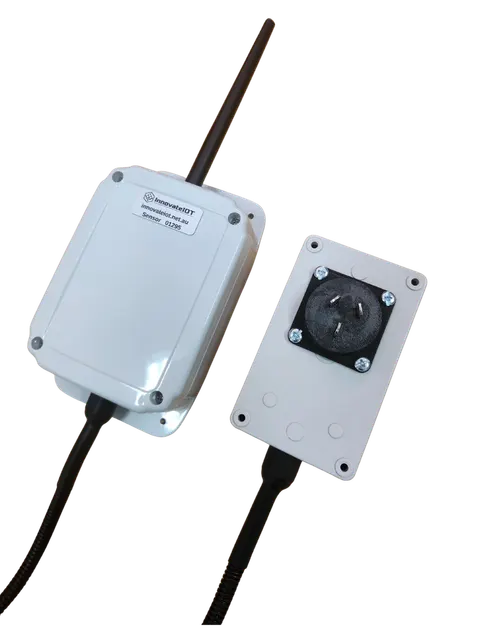
The failure chain, hour by hour
Most stock-water wrecks aren’t one failure — they’re one failure plus the hours nobody knew about it. The chain runs like this:
- The pump stops. Breaker, outage, pressure switch, capacitor — take your pick. Silent.
- The tank starts falling. Stock keep drinking; nothing comes in behind them.
- The tank runs dry. Depending on tank size and the day’s heat, that’s hours to a day later.
- Stock go without. Now it’s an emergency — hauling water, moving animals, finding the fault at dusk instead of after coffee.
Every hour earlier you learn about step 1, the cheaper the whole chain gets. Learn about it at step 4 and you’re paying full price.
Catch the cause: a power monitor on the pump
A power monitor sits between the outlet and the pump — a standard plug on both sides, no electrician — and watches voltage and current. The moment the pump stops drawing power, your phone knows. That covers the breaker trip, the outage, and the dead motor in one alert, and the hourly draw history has a second use: a pump that’s starting to labor often shows it in the current long before it fails outright.
For pumps that aren’t on a standard plug — submersibles hardwired at the pumphouse — the same early warning can come from the downstream side instead, which is where the tank sensor comes in.
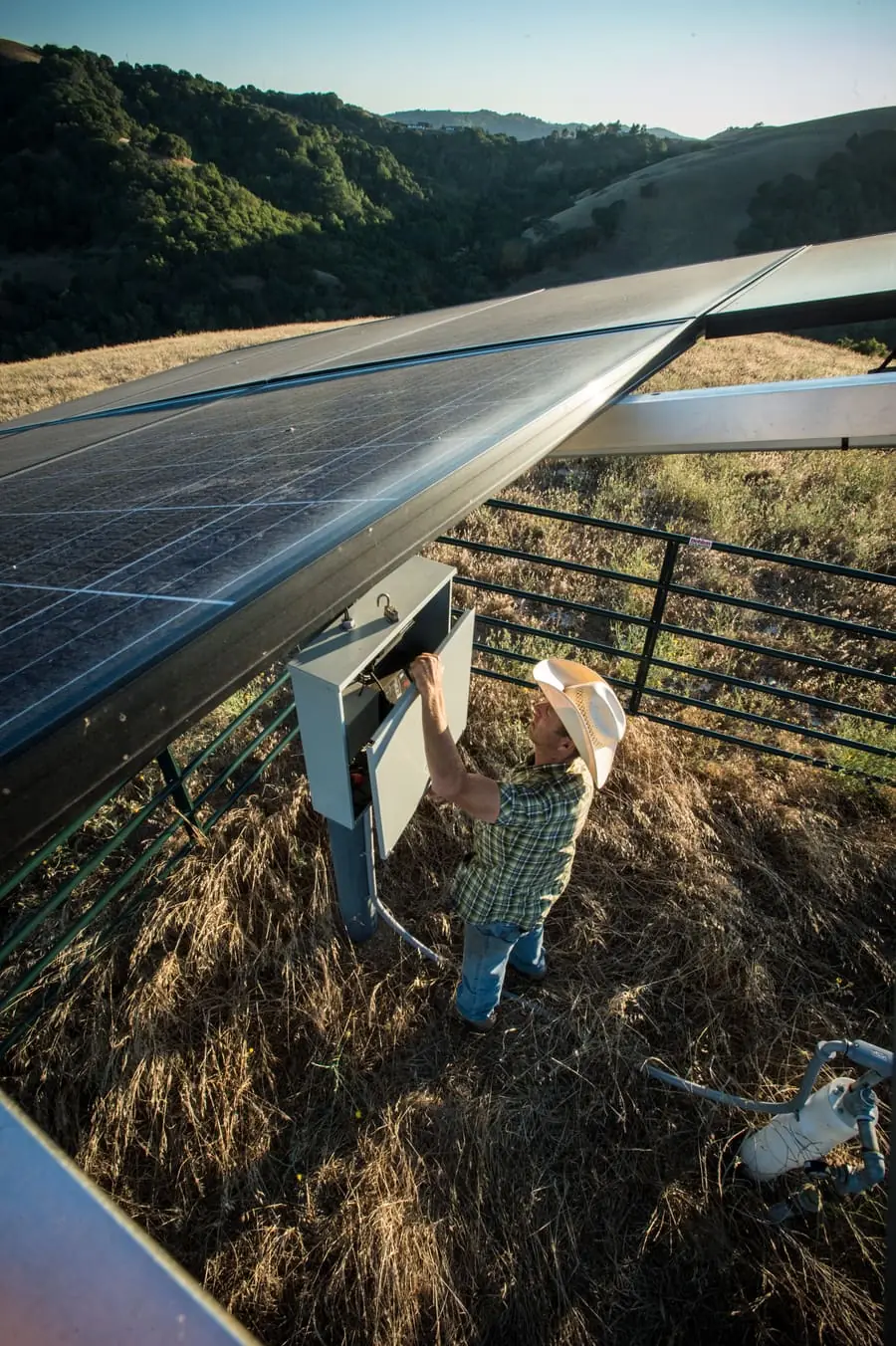
Catch the consequence: a sensor on the tank
A tank level sensor watches what the pump is supposed to be producing. Set a low-level alarm and you’ll hear about any failure that matters — pump, pipe, valve, or float — because they all end in the same place: a level falling with nothing coming in behind it. This is the layer that catches what power monitoring can’t see, like a burst line between the well and the tank with the pump running happily the whole time.
The two readings together also diagnose from the couch. Pump drawing power but tank falling — look at the line. Pump dead and tank falling — look at the pumphouse. You know which drive you’re making before you make it.
Close the loop: remote control
With a pump controller on the system, the response to half these alerts stops involving a truck. Power came back after an outage — start the pump from the phone. Tank’s ahead of schedule — shut it down. Pair the controller with the tank sensor and the loop closes entirely: the pump starts when the tank drops to the level you set and stops when it’s full, no float wiring between them, with runtime history to prove it’s all happening.
What to put where
For a typical well-fed stock system, the pattern is simple: power monitor at the pump (the cause), level sensor on the tank (the consequence), controller if you’re tired of the drive (the response). Start with whichever end of the chain has burned you before — they share one dashboard and one app, so the system grows a sensor at a time. See livestock water monitoring for the whole-operation picture.
And if the pump keeps cutting out because the well itself is struggling — a low-well cutoff doing its job on a falling water table — the deeper answer is well water level monitoring, which watches the standing level the pump depends on.
Watch them work together
The tank runs the pump. By itself.
Every Meterra device is complete on its own. But sensors and controllers share one platform, so a reading can drive a pump — set the rule once, and the tank does the calling from then on. Here’s the loop, sped up:
Sped-up example — you set the start and stop levels in the Meterra app. Every rule stays a manual button in the app too, and a separate high-level alarm can back the stop rule up.
The products in this simulation
Every device reports to the same Meterra dashboard and app.
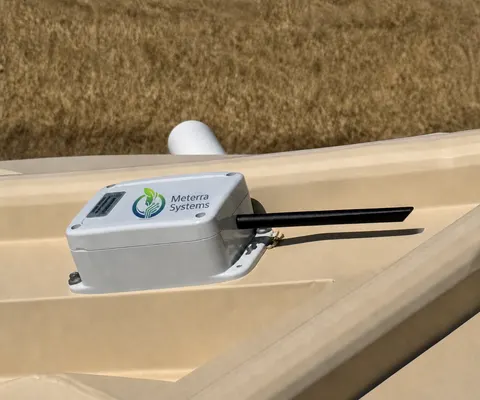
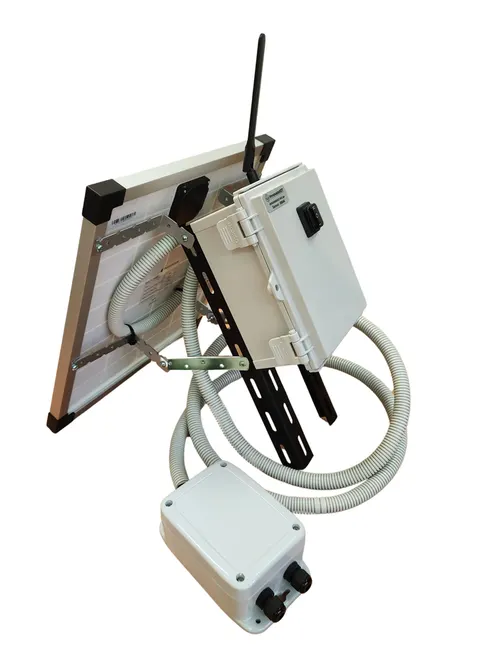
The hardware this guide covers
Every device reports to the same Meterra dashboard and app.
Tell us what you need to keep an eye on and we'll map the right sensors and coverage.
Frequently asked questions
How do I get an alert when my well pump stops?
Put a power monitor on the pump's circuit. It watches voltage and current, so the moment the pump stops drawing power — breaker trip, outage, motor failure — it sends an alert to your phone. That's hours ahead of noticing the tank it feeds has gone down.
Why do well pumps stop without warning?
The common culprits are mundane — a tripped breaker, a power outage at the pumphouse, a failed pressure switch or capacitor, a low-well cutoff doing its job, or lightning. Almost none of them make any noise you'd hear from the house, which is why the first sign is usually a dry tank.
Can I restart a pump remotely?
If the pump is on a remote pump controller, yes — on and off from the phone, plus schedules and tank-level automation. For faults like a tripped breaker you'll still want eyes on the cause, but for the routine starts and stops, the drive disappears.
Isn't a tank level sensor enough on its own?
A tank sensor will absolutely catch the consequence — the level falling with nothing coming in — and for many setups that's plenty of warning. The power monitor just catches the cause hours earlier, and tells you which end of the system to look at. The two together turn "something's wrong somewhere" into "the pump lost power at 2 pm."
Related Meterra pages
- Power Monitor: the plug-and-play unit that watches the pump's power draw.
- Pump Controller: remote on/off, schedules, and tank-level automation.
- Water System Automation: the full sensor-runs-the-pump picture for the whole system.
- Tank Level Sensor: catches the downstream side, the tank the pump feeds.
- Well Water Level Monitoring: watch the standing level in the well the pump draws from.
- Livestock Water Monitoring: the full system across tanks, troughs, and watering points.
- Signs Your Stock Well Is Going Dry: the slow version of this failure (declining yield, not a quit pump).