Flow Meter Telemetry for Water Agencies
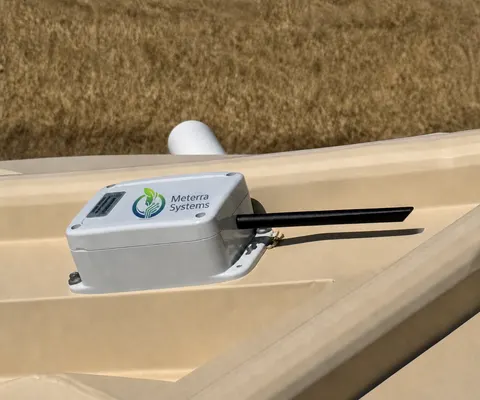
State engineers, basin programs, commissioners, and districts are requiring meters on more wells and diversions every year — and then collecting the data by self-reported forms, hand-copied register readings, and windshield time. Meterra puts a wireless, battery-powered metering point on a diversion that reports gallons used every hour, puts every site on one dashboard, and exports the record — continuous measurement without a SCADA build at every wellhead.
The gap between the mandate and the data
Measurement requirements are expanding in nearly every western state — totalizing-meter conditions on Utah well approvals, monthly meter readings in New Mexico, district metering deadlines in California, non-exempt well measurement in Texas groundwater districts. The meters go in. The data, mostly, still travels the old way: a register read at the wellhead, copied onto a form, submitted monthly or yearly, taken on faith in between.
That model gives a program numbers that are late, coarse, and expensive to verify. An annual total can hide a season of out-of-priority pumping. Checking a reading means driving to it. And when a dispute arrives, everyone discovers together how thin the record really is.
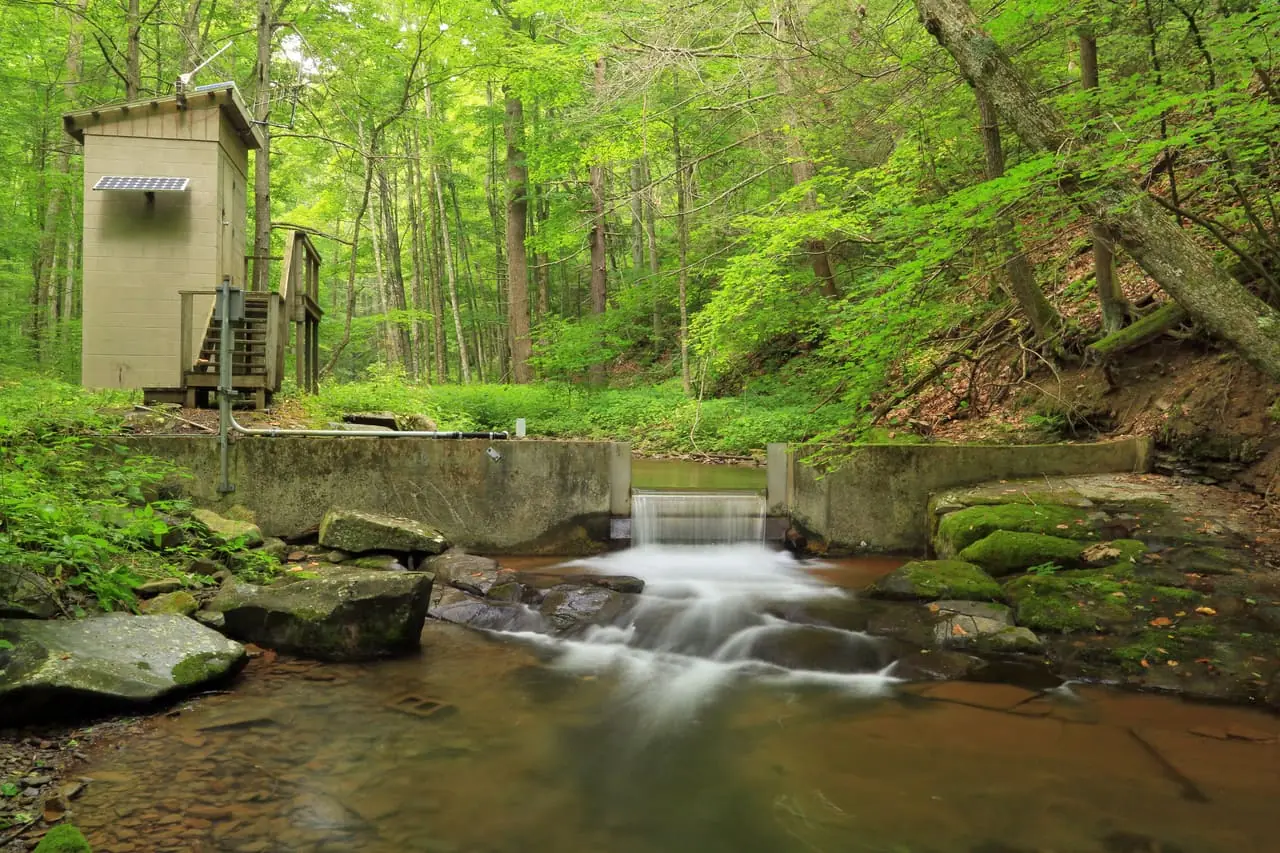
Surface water solved this long ago: streamgages measure continuously and report by telemetry, and nobody would run a river on one self-reported reading a year. The wells and small diversions were left behind for a practical reason — wiring telemetry to hundreds of scattered pump houses was never affordable. That’s the constraint that has changed.
What a telemetry layer changes
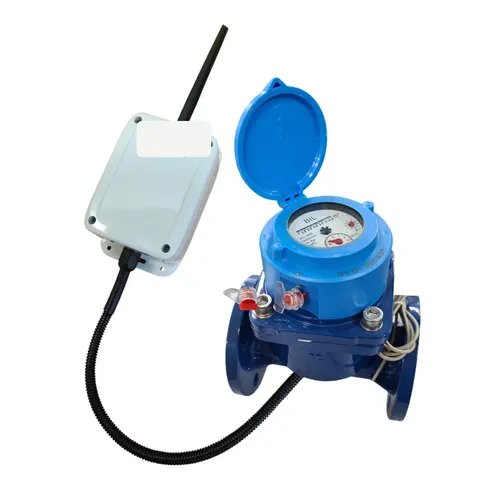
A Meterra flow monitor is a turbine meter and cellular transmitter in one self-contained, battery-powered unit. It counts every gallon and reports the total used each hour. Across a program that means:
- Hourly diversion data, per site — not one number a year, but 8,760 of them, timestamped.
- One dashboard across the basin — every monitored well and turnout, current and historical, in one view instead of a filing drawer.
- Totals computed for any window — the software derives period totals and average flow rates, matched to whatever the reporting form or the distribution question asks.
- CSV export for the record — the usage history over any date range, exportable the day it’s requested.
- Alarms instead of patrols — usage in a shut-off period, or volumes far off pattern, raise a flag the same day rather than surfacing in next year’s report.
And because the units run 3+ years on battery and report over cellular, there is no power drop, trench, or integration project at any site. A diversion becomes a monitored point in about the time it takes to plumb in a meter.
Built for the awkward middle of the fleet
Major infrastructure earns SCADA. A handful of large diversions may already have it, and where they do, Meterra can feed the same picture rather than fight it — see SCADA integration. The problem was always the long tail: the hundreds of small wells and turnouts where per-site SCADA economics never penciled. That tail is exactly what a self-contained, battery-powered metering point is for, and it’s where most of a basin’s unmeasured water usually hides.
The same platform also watches the rest of a program’s water. Reservoir, pond, and canal levels, well water levels for the groundwater picture, and rainfall alongside it — one dashboard, not one per vendor. We already do the municipal version of this work in Utah: when Huntsville Town lost the buried line to its million-gallon tank, a wireless Meterra sensor put the tank back on screen for a fraction of the rewire quote.
Both sides see the same numbers
The quiet advantage of live metering is that it stops being adversarial. The water user gets the same hourly picture and alarms on their own phone — and a meter that catches a leak or a stuck valve pays its way with the user, not against them. When the program and the user export the same record, most reporting arguments end before they start.
Getting started
Agencies rarely buy basin-wide on day one, and shouldn’t. Pick a handful of representative diversions, run a pilot for a season, and judge the data quality and the field time it eliminates. Tell us the site count, pipe sizes, and what your measurement rules specify, and we’ll confirm coverage and fit honestly — including where we’re not the right tool.
The hardware for this job
Every device reports to the same Meterra dashboard and app.
Tell us about your operation and we'll map the right sensors and coverage.
Frequently asked questions
What does the program actually receive?
Each monitored diversion reports the gallons used in the previous hour, every hour. The dashboard holds the running history for every site — hourly use, totals for any period, and average flow rates — with CSV export over any date range for the record. Alarms flag usage where or when none is expected, so follow-up is targeted instead of routine.
Can Meterra put telemetry on the meters our program requires?
Meterra's flow monitor is a metering and telemetry unit in one — a turbine meter that counts every gallon and reports hourly over cellular. Where a program has standardized on specific meter models or accuracy verification procedures, send us the specification and we'll tell you honestly whether and where we fit before anything is deployed.
Do sites need power or communications?
No. The units are battery powered, typically 3+ years per charge, and report over cellular — no mains power, trenching, or field network at the wellhead or turnout. That is what makes small, scattered diversions practical to measure continuously. Where there's no cell coverage, satellite is the alternative; we check coverage per site first.
How is this different from SCADA?
SCADA is the right tool for major infrastructure and the wrong economics for hundreds of small diversions. Meterra is the lighter layer — self-contained metering points that need no wiring, integration project, or per-site engineering, at a per-site cost that lets a program measure diversions SCADA was never going to reach. Where a SCADA system already exists, Meterra data can sit alongside it; see our SCADA integration page.
Does the water user still see their own data?
The record works for both sides. The user gets the same live usage picture and alarms on their own phone, which turns metering from a policing exercise into a tool they benefit from daily — leak detection alone tends to win them over. Exports give the user and the program the same numbers, which is the quiet end of most reporting disputes.
How does a program get started?
Small first, the way agencies prefer. Pick a handful of representative diversions, run a pilot season, and evaluate the data quality and the workload it removes before scaling by basin or district. Our pilot program page describes the shape of it. The Water Flow Monitor starts at $388 (the price depends on meter size and grade), so tell us site counts and pipe sizes and we'll quote the whole program straight.
Related Meterra pages
- Water Flow Monitor: the wireless turbine meter behind the hourly record.
- Utah Well Metering, Explained: the well-owner side of metering conditions.
- SCADA Integration: fitting Meterra data alongside an existing system.
- Water Districts: storage and reservoir monitoring for small systems.
- Huntsville Town, Utah: a million-gallon municipal tank back on screen, wirelessly.