
Water System Automation
Water system automation connects Meterra sensors and controllers so water moves on real conditions — the tank calls for the pump when it runs low, the trough fills itself, the rain gauge holds the sprinklers. Every link is wireless and cellular, so there's no control wiring to trench, protect, or repair — and everything that runs automatically is still a manual button in your app.
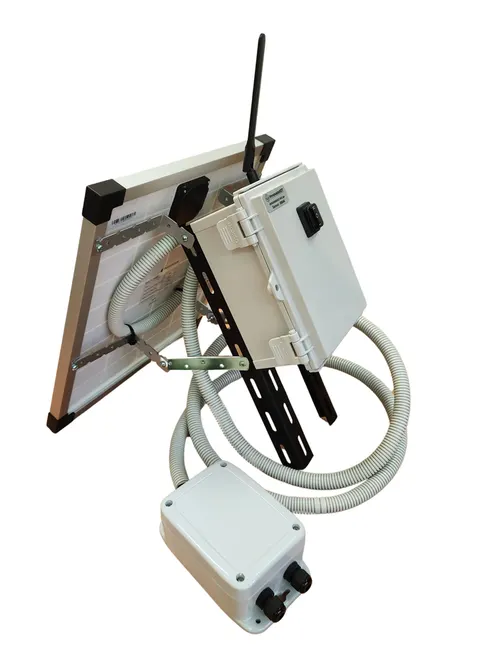
What is water system automation?
Water system automation is a rule between two devices: a sensor that reads a real condition — a tank level, a trough level, measured rainfall — and a controller that acts on it by switching a pump or a valve. On the Meterra platform the two halves talk over the cellular network, so the “wire” between them is one you never have to trench, protect, or find a break in.
The same three parts repeat in every setup: a sensor reads the condition, a rule you set decides what should happen, and a pump controller or valve controller does it. You choose how much to hand over — full automation, a schedule, or just a button in the app that saves the drive.
The wire that isn’t there
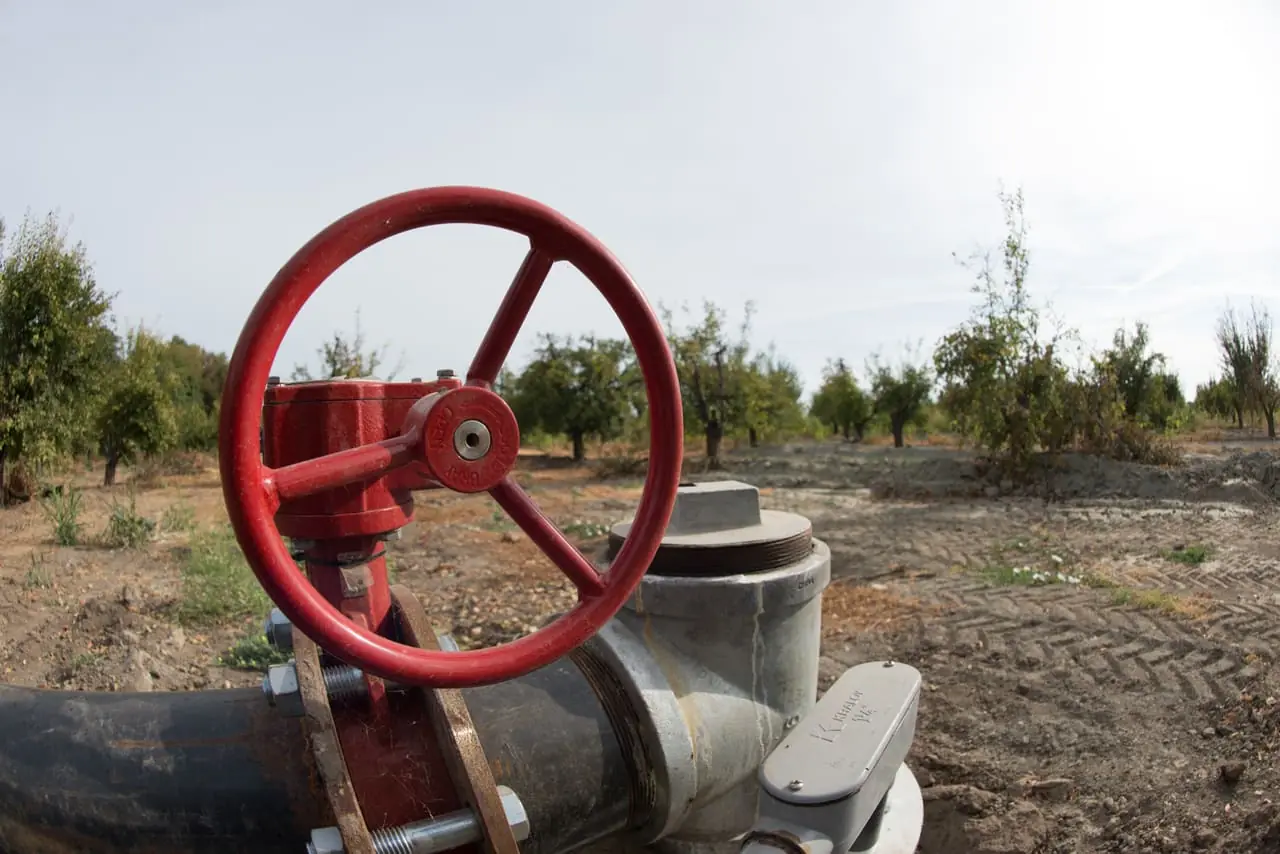
Most older automated water systems work on buried control wire: a float switch or level probe wired back to a pump relay. It works until the wire doesn’t — age, corrosion, rodents, a fence post or a backhoe — and every break costs more to find than it did the last time. Eventually the automation dies and someone goes back to driving out and flipping the pump by hand.
That’s the call we keep getting: a water system that used to run itself, wiring that’s past repair, and no appetite for trenching a new run. The wireless version brings the automation back without the wire — a sensor at the tank, a controller at the pump, each on its own cellular connection. The tank and the pump can be a hilltop apart; the install doesn’t care.
What you can set up
- The tank calls the pump. Pair a tank level sensor with the pump controller: start filling at 40%, stop at 95%. No dry-running, no overflow, no evening trip to switch it off — and a separate high-level alarm as the backstop.
- The trough fills itself. A trough monitor triggers the fill when stock draw the water down, and warns you if the level ever climbs too high — a stuck valve announces itself instead of flooding the pen.
- Rain holds the water. A rain gauge can pause irrigation when measured rainfall crosses your threshold — you stop paying to water in the rain, and where authorities restrict watering after rainfall, compliance follows the reading automatically.
- Water moves between storages. Levels in one storage can start a transfer from another — dam and pond sensors with pump controllers, keeping the right water in the right place without anyone watching it.
Manual when you want it, automatic when you don’t
Automation isn’t a commitment. Every controller stays a button in the app, schedules handle the routine (“run the pump 6–8 a.m.”), and rules handle conditions. Pump controllers keep a physical switch at the unit for hands-on work, and runtime history records every start and stop — so you can always see that the system is doing exactly what you set, and nothing more.
Proven somewhere harder first
The hardware and platform Meterra deploys in the US have been running water automation across rural Australia for years — country with the same long distances, absent power, and patchy signal as the American West. Deployments there include troughs that fill themselves and warn on high level, sprinkler systems held automatically by measured rainfall to stay inside government watering restrictions, and a recent project that links four dams so a professional sports field’s irrigation always pulls from the right one — when a dam runs low, a pump automatically refills it from another. The same platform, the same rules, now supported in the US by Meterra.
Why Meterra
Plenty of systems monitor. The practical difference here is that the sensors and the controllers share one platform, so a reading can do something — and the whole loop is wireless, battery or solar powered, and cellular, with nothing buried between the pieces to break. Start with the sensor, add the controller when you’re ready, and hand over exactly as much of the routine as you want to stop doing by hand.
Watch them work together
The tank runs the pump. By itself.
Every Meterra device is complete on its own. But sensors and controllers share one platform, so a reading can drive a pump — set the rule once, and the tank does the calling from then on. Here’s the loop, sped up:
Sped-up example — you set the start and stop levels in the Meterra app. Every rule stays a manual button in the app too, and a separate high-level alarm can back the stop rule up.
The products in this simulation
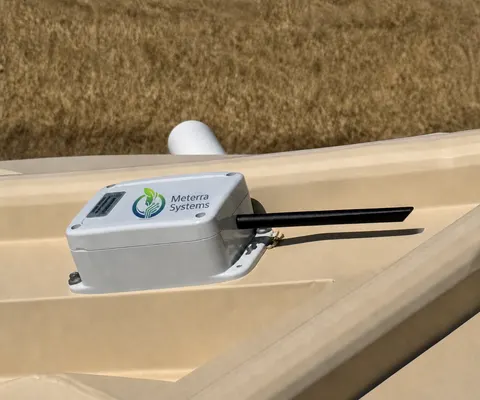
Every device reports to the same Meterra dashboard and app.
The bigger picture
One pond, one pump, one tank, one storm — zero drives.
Every device below works alone. Linked on one platform, they run the place: the tank calls the pump at the pond, the safety level decides when irrigation is allowed, and the rain gauge overrules everything the moment real rain falls. Watch the rules fire, sped up:
Sped-up example — every level, threshold, and rule shown here is the kind you set yourself in the Meterra app, and each one stays a manual button too. Devices connect over cellular independently, so the pond, the tank, and the sprinklers can be miles apart.
The products in this simulation
Every device reports to the same Meterra dashboard and app.
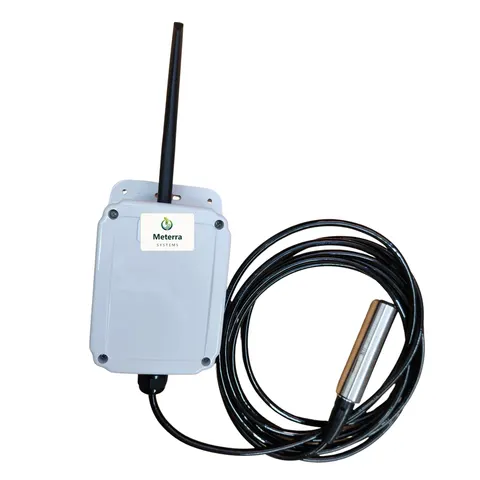
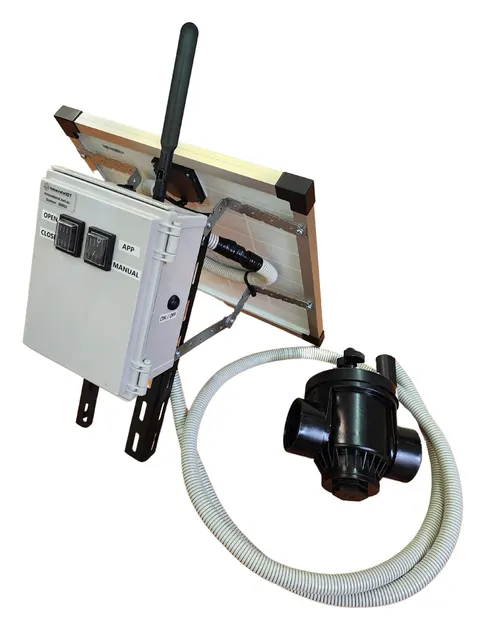
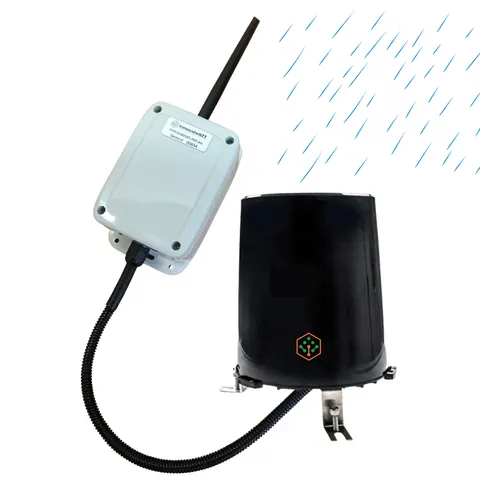
The hardware for this job
Every device reports to the same Meterra dashboard and app.
Tell us your site and we'll map the right sensors and coverage.
Frequently asked questions
Can a tank sensor really turn my pump on and off?
Yes. The tank level sensor and the pump controller share one platform, so you set the rule — start filling at 40%, stop at 95% — and the pump follows the tank's actual reading. No wiring between tank and pump, and low/high level alarms back the rule up.
Do the sensor and the pump have to be close together?
No. Each device connects over the cellular network on its own, so the tank can be a hilltop — or miles — away from the pump. Distance between devices doesn't change the install.
Can it replace a broken wired float-switch system?
That's one of the most common reasons people call us. Wired level-to-pump control fails where the wire fails — age, rodents, digging, corrosion — and rewiring a long run is often not realistic. A wireless sensor at the tank and a controller at the pump bring the same automation back with nothing buried between them.
Can rain stop my irrigation automatically?
Yes. A rain gauge on the platform can hold or stop watering when measured rainfall crosses a threshold you set — so you're not watering in the rain, and where outdoor watering is restricted after rainfall, the rule follows the reading automatically.
Is it automation only, or can I still run things by hand?
Both, always. Every controller is a button in the app, schedules cover the routine, automation covers the conditions — and pump controllers keep a physical switch at the unit for hands-on work. Runtime history shows you every start and stop either way.
What keeps an automated fill from overflowing the tank?
The stop rule runs on the tank's actual level, and you can set a separate high-level alarm above it — if the level ever passes the stop point, you hear about it immediately. History records every fill so you can confirm the system is doing what you set.
How do I get US pricing?
The Pump Controller starts at $850, depending on the pump's power setup (DC solar or AC) and the hardware it needs, with three months of connectivity included, then $14/month per device. Valve controllers are quoted, and automation setups vary with the sensors, the controllers, and what triggers what. Tell us what you're working with and what you want to happen automatically, and we'll reply within one business day with pricing and the right configuration.
Related Meterra solutions
- Pump & Valve Controllers product sheet: the four controllers, what each suits, and the PDF.
- Overview flyer (PDF, 1.7 MB): tank sensor, pump controller, and rain gauge on one page.
- Pump Controller: remote on/off, schedules, and tank-level automation for DC and AC pumps.
- Valve Controller: timers, schedules, and trigger automation for irrigation and zone valves.
- Tank Level Sensor: the non-contact level reading that drives the automation.
- SCADA Integration: for districts and plants that need the readings in an existing control system.