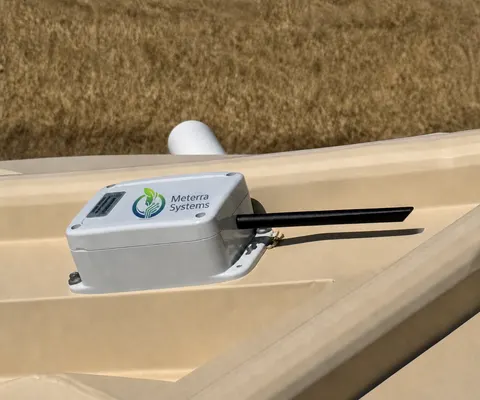
Well monitoring system: your well's water level, on your phone.
A well tells you almost nothing from the surface. The pump either runs or it doesn't, and by the time it doesn't, the story has been building for months. Meterra hangs a sealed pressure sensor in the casing and puts the water column on your phone, hourly. You see the static level, the drawdown when the pump runs, the recovery after, and the slow seasonal slide you'd otherwise meet as a dry tap in August.
Dam Level Monitor, starting at $499, with three months of connectivity included, then plans from $10/month per device. 60-day money-back guarantee and a one-year warranty on every sensor. In stock in the US. Orders ship within 1–2 business days. 4+ years in the field, 2,000+ devices in service.
The well is a black box. It doesn’t have to be.
Most well owners know exactly two states: water comes out, or it doesn’t. Everything that matters happens between those two, out of sight. The static level drifts down through a dry year. Drawdown gets a little deeper every season as the aquifer tightens or the screen silts in. Recovery after pumping takes longer than it used to. None of it is visible at the tap until the day all of it is.
Putting a level sensor in the casing changes what you know from “the pump still works” to a chart: where the water sits, what pumping does to it, and which direction it’s heading. When a driller or pump installer eventually asks what the well has been doing, you’ll be the rare customer with the actual answer.
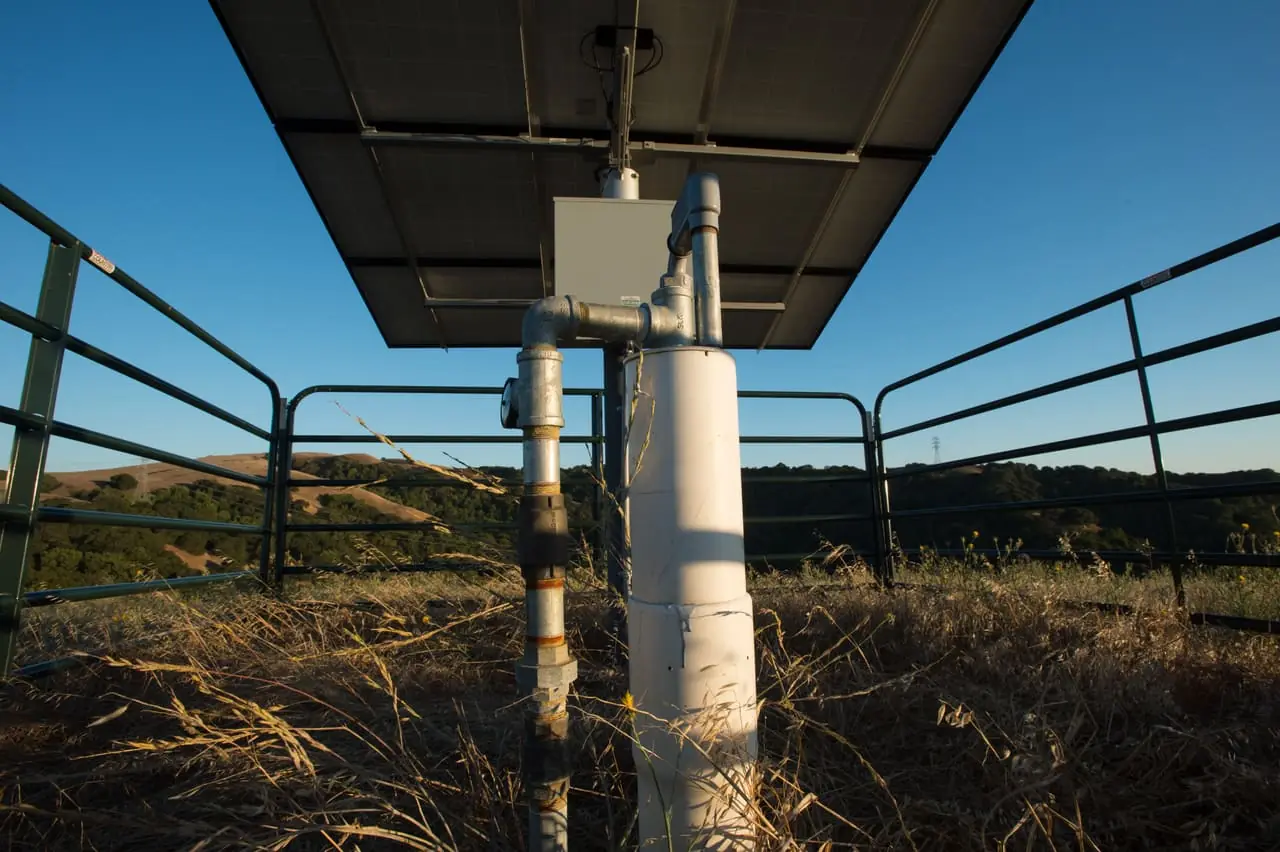
How the well monitoring system works
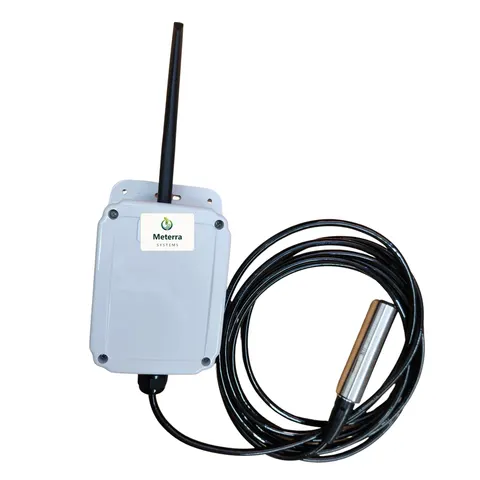
The instrument is Meterra’s sealed pressure sensor, the same unit that watches dams and deep storage. It hangs in the casing on its cable, below the level you expect water to reach, and measures the water column above it. Hourly readings go out over low-power cellular from the wellhead. There’s no box to power, no Wi-Fi to reach, and nothing to visit.
- Rated depth: up to 330 ft (100 m) of water column above the sensor.
- Cable length: 10, 50, and 165 ft commonly stocked, and we build any length up to about 330 ft (100 m), which is what sets how far down the casing the sensor can hang. Cable is reach, not depth. It runs from the communication box at the wellhead down past the lowest level you ever expect, so a well holding only a few feet of water can still call for a long cable. We size it to your well, not to the rating.
- Alarms: set a low-level line and get told the hour it’s crossed, instead of the week the tank runs dry.
- Trend: drawdown and recovery, plotted, season over season.
Wells rarely work alone. The same dashboard watches the cistern or storage tank the well fills, and with a pump controller in the circuit, the readings can run the system: storage calls for water at the low mark, and the automation stops the pump when storage is full. No control wire in a trench, no float switch to fail.
Every well is its own animal, casing sizes, pump depths, and offsets included. Send us the details and we’ll confirm fit and coverage before anything ships, backed by the same 60-day money-back guarantee as every Meterra sensor.
The hardware for this job
Every device reports to the same Meterra dashboard and app.
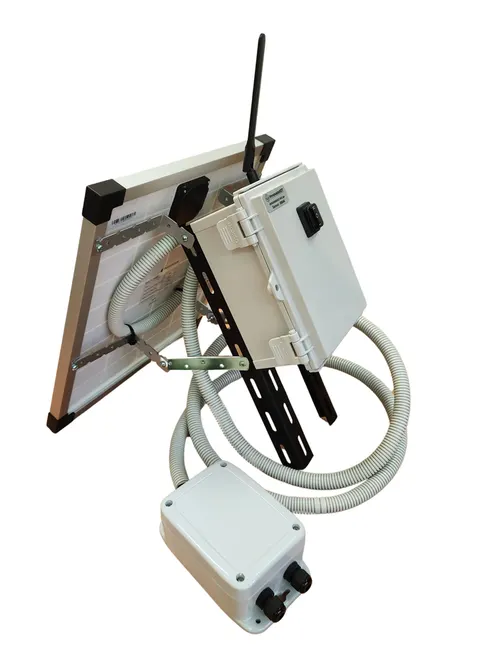
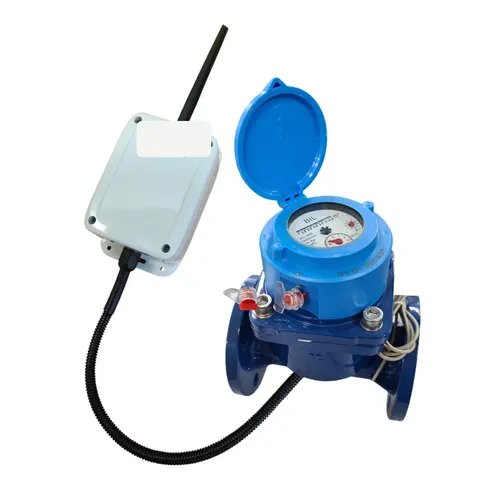
Tell us your site and we'll map the right sensors and coverage.
Frequently asked questions
What is a well monitoring system?
A well monitoring system measures the water level inside a well and reports it remotely, so you can see the static level, the drawdown while the pump runs, and the recovery after, without pulling the pump or dropping a tape. Meterra's version is a sealed pressure sensor hung in the casing that reports hourly over low-power cellular, with a low-level alarm and the full history on your phone and computer.
How deep a well can it measure?
The sensor reads up to about 330 feet (100 m) of water column above it. That rating and the cable length are two different numbers. We commonly stock 10, 50, and 165 ft cable lengths and build any length up to about 330 ft, and the cable has to run from the communication box at the wellhead down past the lowest level you expect. Send the well depth, the pump set depth, and the casing size, and we'll spec the right unit before anything ships.
Will it fit in my casing with the pump already in there?
Often yes. The sensor is a slim sealed cylinder on a cable that hangs in the casing above or beside the drop pipe. Fit depends on casing diameter and what's already downhole, which is exactly why we ask for those details up front rather than after the box arrives.
What will it actually show me?
The height of water above the sensor, every hour, with history. In practice that means your static level, how far the level pulls down while the pump runs, how fast it recovers after, and the season-over-season trend. A well that recovers slower every month is telling you something. This puts that conversation on a chart.
Does it measure flow or how many gallons the well produces?
No. This is a level instrument, not a flow meter. But level, drawdown, and recovery are the numbers a driller or pump installer asks about first, and the history gives you real answers instead of memory. If you also want flow, Meterra makes a separate water flow monitor that reports to the same dashboard.
Does it need power or Wi-Fi at the wellhead?
No. The sensor is self-powered for years and reports over Verizon's NB-IoT low-power cellular network, with a satellite option where there's no coverage at all. Nothing else at the wellhead is required.
What does it cost?
The instrument is the same sealed pressure sensor we sell as the Dam Level Monitor, from $499 in our US rollout, including three months of connectivity and full dashboard and app access, then plans from $10/month per device. It carries a 60-day money-back guarantee and a one-year warranty.
Can the well level control my pump?
Paired with Meterra's controllers, yes. A common setup is the storage tank or cistern calling for water and the well level guarding the pump, so the system fills storage when there's water to give and backs off when the level says otherwise. Tell us your layout and we'll say plainly what's possible.
Related Meterra solutions
- Signs Your Stock Well Is Going Dry: the late symptoms, and the level data that shows it weeks sooner.
- Knowing the Moment a Well Pump Stops: when the problem is the pump, not the water.
- Dam Level Monitor: the sealed pressure instrument this page is about, from $499.
- Cistern Monitoring: the storage the well fills, watched the same way.
- Water System Automation: level-driven pump control without trenching control wire.
- Pump Controller: start and stop the well pump from a reading or your phone.
- Water Flow Monitor: if you want gallons moved, not just level.
- Video: Pressure Sensor Cable Lengths: the cable lengths available and why length matters.