
How to Cut Water-Hauling Trips and Costs
Most water-hauling miles are spent checking or topping up water that turned out to be fine. The way to cut them is to see the level of every tank and trough from your phone, so you only roll a truck when a reading says it's actually needed — and a low-water alarm warns you before a tank runs dry, which is what turns a routine top-up into an emergency run. Monitoring won't end hauling in a drought, but it stops you from doing it blind.
Why hauling costs so much
Hauling water is one of the most expensive routines on a dry operation, and most of the cost is invisible because it’s spread across fuel, hours, and equipment. Oregon State University Extension puts the combined truck-and-trailer cost of running a 1,000-gallon water wagon at about $1.51 per mile — and that’s before you value your own time. Add a full day’s diesel, the tires, the constant small repairs, and the labor, and a hauling season turns into real money. In a severe drought the totals get high enough that the USDA’s ELAP program reimburses 60% of above-normal water-hauling costs.
The hidden cost is worse than the visible one: the trips you make to check water that was fine, and the emergency run when a tank you didn’t know was empty leaves cattle off water in the heat.
Where the wasted trips actually are
Cut the right trips and the savings show up fast. The waste falls into three buckets:
- “Just checking” loops. Driving the property to look in tanks that are full. This is the single biggest source of unnecessary miles, and it’s the easiest to eliminate.
- Topping up too early. Hauling to a tank that still had a day or two of water because you couldn’t see the level and didn’t want to risk it.
- Emergency runs. The dropped-everything trip when a float sticks or a line breaks and a tank goes dry — the most expensive miles you’ll drive, and the ones that cost weight and condition on top of fuel.
How monitoring cuts each one
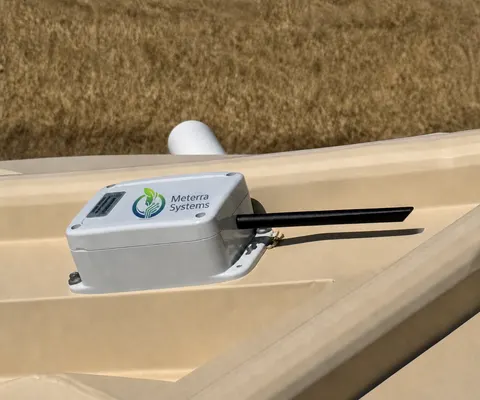
A wireless sensor on each tank reports the level to your phone, so the whole property is a glance instead of a drive.
- It kills the checking loops. You see every level at once and drive only to the points that are low.
- It lets you wait with confidence. A real number — and the trend behind it — tells you when a tank genuinely needs a haul, so you stop topping up early.
- It prevents the emergencies. A low-water alarm reaches you while a stuck float or a leak is still a small problem, not a dry tank at noon in July.
What it won’t do
Monitoring doesn’t make water appear. In a true drought, when the source is gone, you’ll still haul — there’s no sensor for that. What changes is that every haul is informed: you prioritize the tanks that need it, avoid overfilling one while another runs dry, and keep a usage record for programs like ELAP. The goal isn’t zero trips; it’s zero wasted trips.
Put a number on it
Want the figure for your own place? The water savings calculator turns your miles, trips, and fuel cost into a yearly total — and an estimate of how much monitoring could hand back.
Getting started
Start with your worst offender — the tank at the end of the longest drive, or the one that’s surprised you before. Put a sensor on it, set a low-water alarm, and watch how many trips you stop making in the first month. Then add the next point. Pair this with the basics in how to monitor livestock water remotely, and tell us your layout and coverage — we’ll map the right sensors.
The hardware this guide covers
Every device reports to the same Meterra dashboard and app.
Tell us what you need to keep an eye on and we'll map the right sensors and coverage.
Frequently asked questions
How does remote monitoring reduce water hauling?
It removes the guesswork. Instead of driving a loop to see which tanks need water, you check every level from your phone and haul only to the points that are actually low. You also get a low-water alarm before a tank goes dry, so you avoid the emergency runs that cost the most in fuel, time, and stress on livestock.
What does hauling water to cattle actually cost?
Oregon State University Extension estimates the combined truck-and-trailer cost of hauling at about $1.51 per mile for a 1,000-gallon water wagon, before the value of your time. In a bad drought the totals climb fast — and the USDA's ELAP program reimburses 60% of above-normal water-hauling costs precisely because they get so high.
Will monitoring stop me from hauling altogether?
Not in a true drought, when the water simply isn't there. What it does is cut the trips you don't need to make and prevent the dry-tank emergencies, so every mile you do haul is a mile that counts.
How quickly does it pay for itself?
It depends on your miles. University extension figures put the fuel alone for checking remote water at well over $1,500 a year on larger operations — and that's before counting hours, tires, and a single avoided dry-tank wreck. For many operations the math works after one season.
Can it help during drought specifically?
Yes. When you're rationing water and hauling daily, knowing the exact level in every tank lets you prioritize the runs, avoid overfilling one point while another goes dry, and document usage for programs like ELAP.
Related Meterra pages
- Tank Level Sensor: the sensor that tells you which tanks actually need a haul.
- Livestock Water Monitoring: the full picture of monitoring water across the place.
- Cattle Ranch Monitoring: how it fits a working ranch.
- How to Monitor Livestock Water Remotely: the setup that makes this possible.
- Stock Pond Drying Up?: planning the switch to hauling before it's an emergency.
- Water Tank Monitoring: know the level before you hitch up the trailer.
- Cistern Monitoring: hauled water in storage, watched between deliveries.