
Catching a Stuck Float Valve Before It Empties or Overflows
A stuck float valve is one of the most common ways a watering point fails. Stuck closed, the tank stops filling and stock run dry; stuck open, it never shuts off and the tank overflows while the well or pump runs for nothing. Either way you usually find out on your next drive-by — too late. A water-level monitor catches it the moment the level stops behaving, with a low- or high-water alarm to your phone while it's still a five-minute fix.
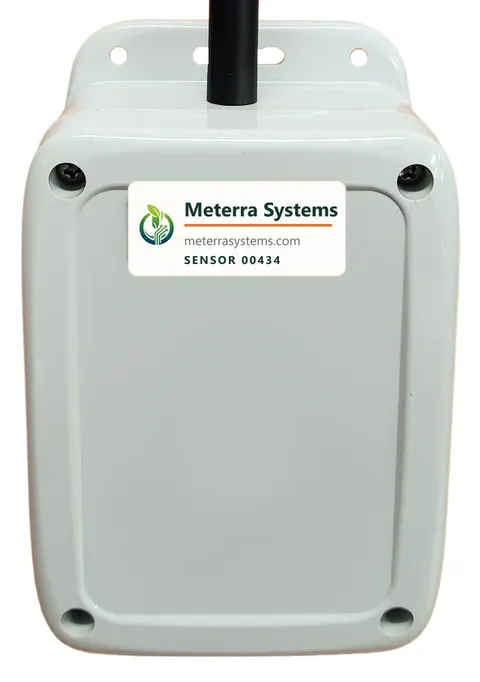
What a float valve does, and how it fails
A float valve is the simple part that keeps a trough or tank topped up — the float rises with the water and shuts the valve when it’s full, then reopens as stock drink it down. It works until it doesn’t, and it tends to fail in one of two ways:
- Stuck closed. The valve won’t open, so the trough drops and never refills. Stock keep drinking and the level falls toward empty.
- Stuck open. The valve won’t close, so the trough overflows and the pump or well keeps feeding it — wasting water and power, and sometimes running a well dry.
The causes are mundane: grit or scale in the valve seat, a worn washer, a waterlogged or fouled float, or ice in winter. They’re a few-dollar fix — the expensive part is the time it runs wrong before anyone notices.
Why you usually catch it late
A float valve gives no warning. From the road a trough looks much the same whether it’s working or stuck, and the failure happens on its own schedule — often the day after you last checked. So the problem isn’t really the valve; it’s the gap between when it sticks and when you find out. On a hot day, that gap is the difference between a topped-up trough and stock standing at a dry one.
How a monitor catches it
A water-level sensor watches the level continuously and alarms the moment it crosses a line you set:
- A low-water alarm flags the stuck-closed valve while there’s still water in the trough — time to drive out and clear the valve before stock go without.
- A high-water alarm flags the stuck-open valve before it overflows and runs the well — you shut it down instead of finding a flooded tank and a dry bore.
- The trend tells the story too: a level falling while stock drink (and not refilling) or climbing past full is the signature of a stuck valve, even before it hits a threshold.
Either way, the alert reaches your phone the same hour — not on your next round.
Fixing and preventing it
When you get the alarm, the fix is usually quick: clear debris from the valve seat, replace a worn washer or a waterlogged float, and check the screen on the inlet. Keeping a spare valve and washer on hand turns a dry-trough emergency into a five-minute job. The monitor doesn’t replace the repair — it just makes sure you’re doing it on your schedule, with water still in the trough, instead of in a scramble. See livestock water monitoring for setting it up across every watering point.
The same quiet failure hits the fill valve on a cistern, where a stuck-open valve wastes hauled or pumped storage and a stuck-closed one leaves the house or herd drawing down reserves nobody’s watching. The level alarm works exactly the same there.
The hardware this guide covers
Every device reports to the same Meterra dashboard and app.
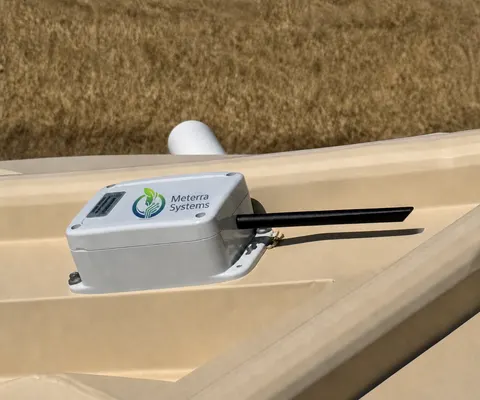
Tell us what you need to keep an eye on and we'll map the right sensors and coverage.
Frequently asked questions
What are the signs of a stuck float valve?
Two patterns. Stuck closed — the trough drops and never refills, so the level falls while stock are still drinking. Stuck open — the trough overflows and the pump or well keeps running, so you see water around the tank and a level that won't stop climbing. On a monitor, both show up as a level doing something it shouldn't.
Why do float valves stick?
Usually grit, scale, or debris in the valve seat, a worn washer or seal, a float that's waterlogged or fouled, or ice in winter. They're cheap parts that fail quietly, which is why the problem is less the valve and more not knowing it failed.
How does a monitor catch a stuck float valve?
It watches the level and alarms when it crosses a threshold you set. A low-water alarm catches the stuck-closed valve before the trough is dry; a high-water alarm catches the stuck-open valve before it overflows and runs the well. You get a phone alert the same hour, not on your next round.
Stuck open versus stuck closed — which is worse?
Both cost you. Stuck closed risks stock going without water, which hits condition and gains fast in heat. Stuck open wastes water and power and can run a well dry or wash out around the tank. A monitor with both a low- and a high-water alarm covers each one.
Related Meterra pages
- Water System Automation: skip the float entirely; the tank's level can run the pump.
- Trough Level Monitor: empty-trough and overflow alarms for watering points.
- Tank Level Sensor: low- and high-level alarms for any tank.
- Cistern Monitoring: the same quiet failure on stored water, caught by the level.
- Livestock Water Monitoring: the full picture across tanks, troughs, and dams.
- Monitoring Stock Water Through Winter: float valves that stick from ice in the cold.