
How to Choose a Remote Water Monitoring System
Choosing a remote water monitoring system comes down to five things — the sensing technology (non-contact ultrasonic or submerged pressure), connectivity and coverage at your sites, how it's powered, the alarms, and whether every sensor lives in one app. Match those to your conditions, especially freeze risk and cell coverage, and the decision gets simple. Here's what to weigh, and the red flags to avoid.
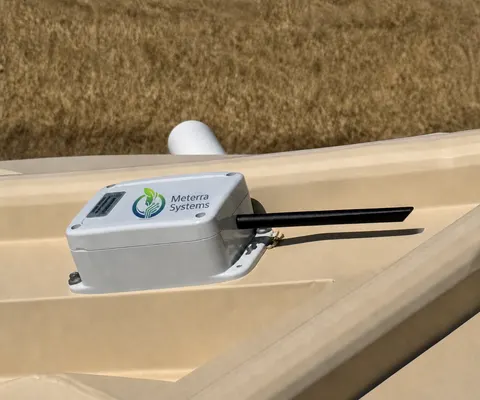
Start with the five things that matter
The marketing around remote monitoring is loud. The decision is not. Five questions settle it, and every one is about your operation, not the brochure. Answer them and the right system picks itself.
1. Sensing technology
The biggest choice has nothing to do with logos. It is about your water:
- Non-contact ultrasonic mounts above the water and reads the surface. Nothing sits in the water, so nothing fouls, corrodes, or needs pulling out for cleaning. This is the pick for tanks and troughs.
- Submerged pressure sits in the water and reads the depth above it. Where surfaces freeze, it wins outright: a sensor below the ice keeps reading while an above-water unit stares at ice. That is why it runs on dams and ponds in cold country.
Plenty of operations run both; the site decides. See ultrasonic vs. pressure for the full comparison.
2. Connectivity and coverage
A sensor that cannot send its reading is an expensive paperweight. Confirm cellular coverage at the actual watering points, not the headquarters. Low-power NB-IoT reaches most rural sites cheaply; LTE and satellite pick up the rest at higher cost. Make the supplier check coverage before you spend a dollar; one who will not is telling you something.
3. Power
There is no outlet at the tank, and there never will be. Demand multi-year battery life with a solar option and zero wiring. Anything that wants mains power or frequent battery changes will not survive the field.
4. Alarms and reporting
You are buying this so you can stop driving out to look. The system must tell you the moment something is wrong. Insist on low- and high-water alarms (low for stock supply, high for overflow or a stuck-open valve) and stored history, because a trend tells you what a single reading never will.
5. One app for everything
Most operations end up watching more than one point. Every sensor should land in one account and one screen, across every property you run. A separate login per device is a dealbreaker.
Red flags to avoid
Each looks small on the spec sheet and costs real money in the field:
- Needs Wi-Fi or mains power at the tank. It will never reach the back of the property.
- A submerged probe in shallow water. It will foul, corrode, or freeze and crack.
- No coverage check before purchase. How people end up owning sensors that cannot report.
- Short battery life or no solar option. A maintenance chore you will resent.
- A separate login per device. Unmanageable past a couple of sensors.
How to buy without regret
Do not wire the whole place at once. Put one sensor on your hardest site: the longest drive, or the one that has burned you before. Confirm coverage for that exact spot and run it for a season. Every sensor is backed by a 60-day money-back guarantee, so the risk of that first sensor sits with us, not with you. Check the likely payback with the savings calculator, then browse the product range when you are ready to grow.
Our take: buy by the site, not the brand. We sell both sensing technologies because no single sensor wins on every water. Start with one on your hardest site and let it earn the rest of the property.
The hardware this guide covers
Every device reports to the same Meterra dashboard and app.
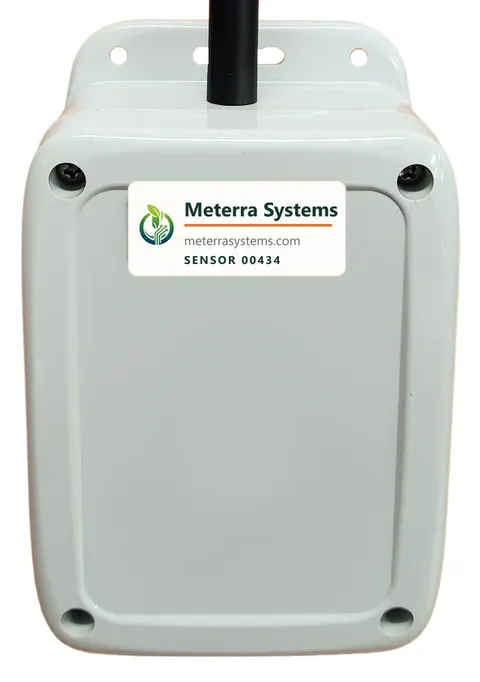
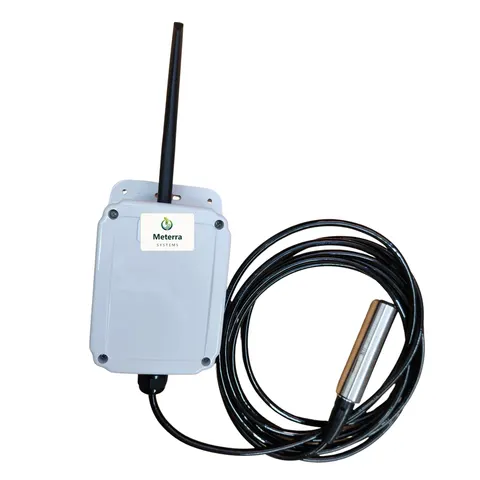
Tell us what you need to keep an eye on and we'll map the right sensors and coverage.
Frequently asked questions
What should I look for in a remote water monitoring system?
Five things. The sensing technology suited to your water, real cellular coverage at the actual sites, multi-year battery or solar power, alarms you can set for low and high water, and one app that holds every sensor. Then ask the question that sorts vendors fastest, whether the full price is in writing before you commit. Meterra's is, $299 Tank Level Sensor, $399 Trough Level Monitor, Dam Level Monitor from $499, each including three months of connectivity, then plans from $10/month per device. A vendor who's proud of the total posts it, so hold every quote you collect against numbers like these.
Ultrasonic or pressure sensor — which do I need?
Choose by the site, not the brand. Non-contact ultrasonic mounts above the water and never touches it, which is why it runs on tanks, and the same technology, in Meterra's separate $450 Silo Level Sensor, reads dry feed and grain. A submerged pressure sensor sits in the water and keeps reading beneath ice, which is why it wins on troughs, dams, and ponds, especially in cold country. Meterra builds both technologies for exactly this reason, the $299 ultrasonic Tank Level Sensor and the submerged Trough ($399) and Dam (from $499) monitors, so you match the sensor to the water instead of forcing one sensor onto every site.
What are the red flags?
Anything needing Wi-Fi or mains power at the tank, a submerged probe in shallow water that will foul or freeze, no coverage check before you buy, short battery life, or a separate login per device. Every one of those turns into a maintenance or cost headache later. Then add the biggest one, a vendor who won't put the whole bill in writing, hardware plus the monthly plan, before you commit. Meterra posts every number it charges, and once you've seen one vendor do that, quote-only pricing starts looking like a red flag all by itself.
How do I avoid buying the wrong thing?
Start with one sensor on your hardest site, the longest drive or the tank that has surprised you before, and get a coverage check for that exact spot, not the ranch headquarters. Then make the vendor carry the risk. Meterra backs every sensor with a 60-day money-back guarantee and a one-year warranty, so you can run a $299 sensor on your own water for two months and send it back for a full refund if it doesn't earn the rest of the property. The worst outcome is a refund.
Related Meterra pages
- Tank Level Sensor: the non-contact ultrasonic option, $299.
- Trough Level Monitor: the submerged pressure option, $399.
- Dam Level Monitor: open water and ponds, from $499.
- Ultrasonic vs. Pressure Sensors: choosing the right sensing technology for your water.
- Cellular vs. Satellite: matching connectivity to coverage at your sites.
- All Competitors Compared: Meterra, RanchBot, Gallagher, and LoneStar in one honest table.
- Meterra Product Range: the two sensors we lead with.
- Water Savings Calculator: check the payback for your operation.
- Water Level Monitoring Systems: how ultrasonic and pressure sensing work, and where each fits.
- Livestock Water Monitoring: which sensor suits a tank, a trough, or a dam on a ranch.