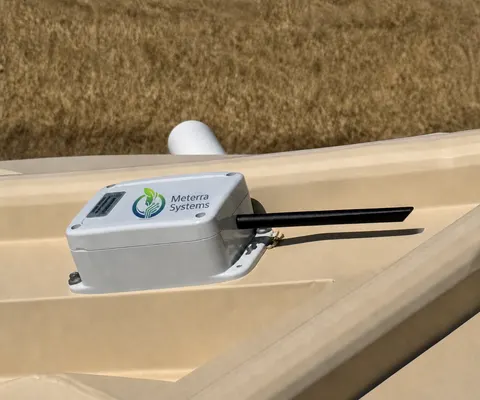
Setting up the Water Flow Monitor
A turbine flow sensor plumbs in line and a small communications box counts every pulse, so you get volume and flow rate every hour, with alarms for high flow, low flow, and water moving when nothing should be. Pick the sensor size, plumb it in the direction of flow, wake the box, and check the dashboard before you leave.
Guide revised October 2026. Questions or a step that does not match your unit? Call (385) 534-8200.
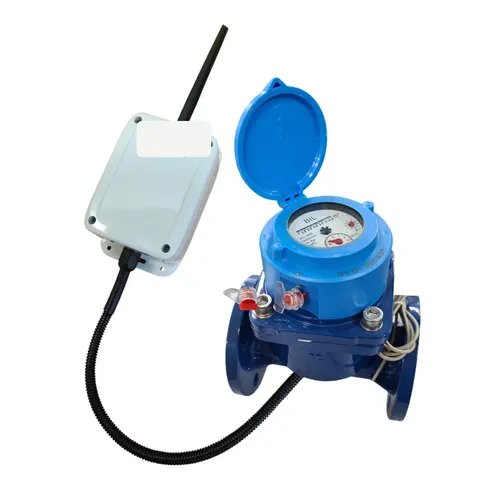
- Sensing
- Mechanical turbine pulse detection; pulses convert to volume
- Sizes
- 1/2 in, 3/4 in, 1 in, and 2 in turbine sensors; adaptors for other pipe sizes
- Data
- Volume and flow rate, sent every 60 minutes; more frequent on request
- Alerts
- High flow, low flow, and volume over time (leak detection)
- Battery
- 2+ years
- Mounting
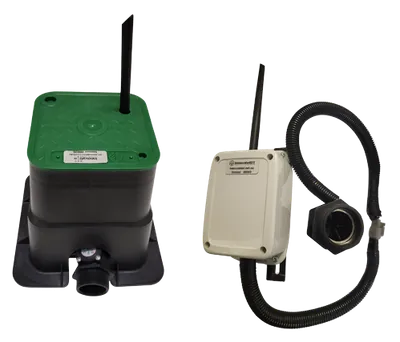
- Communications box in a valve box or on a T-post next to the meter
Sensor sizes
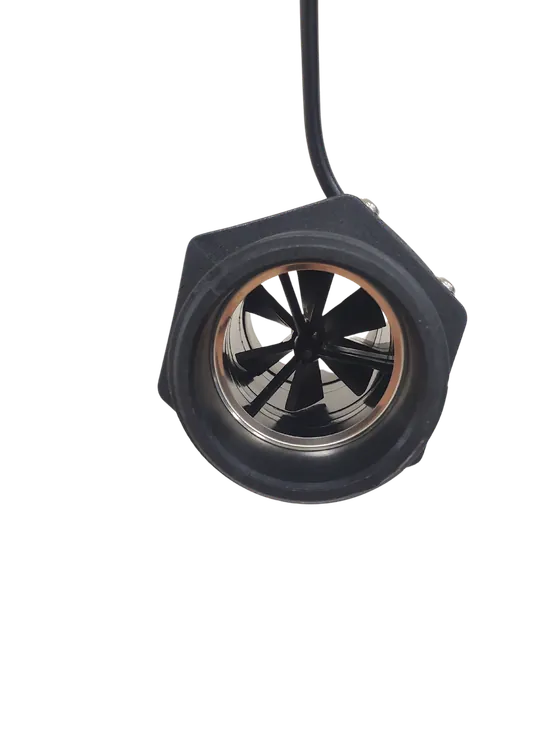
The turbine inside the sensor spins with the water; each turn sends pulses that the box converts into gallons. Match the sensor to your pipe and the flow you expect:
| Sensor | Pipe | Working range | Pulses per liter |
|---|---|---|---|
| 1/2 in | G1/2 / DN15 | 0.3 to 8 gpm (1 to 30 L/min) | 450 |
| 3/4 in | G3/4 / DN20 | 0.3 to 16 gpm (1 to 60 L/min) | 390 |
| 1 in | G1 / DN25 | 0.5 to 26 gpm (2 to 100 L/min) | 64 |
| 2 in | G2 / DN50 | 2.6 to 79 gpm (10 to 300 L/min) | 12 |
All four sizes: accuracy within 5%, maximum pressure 254 psi (1.75 MPa), water temperature below 176°F (80°C), humidity 35 to 90% RH with no frost.
Plumb the sensor in
- Provide your own adaptors for the sensor thread and your pipe size.
- Unplug the sensor from the communications box before you start plumbing, so the box does not count pulses while you work.
- Fit the sensor in the direction of water flow. A sensor fitted backwards reads nothing useful.
- Use plumber’s tape on the threads.
- Attach the antenna to the communications box, hand tight, and plug the sensor cable back in.
- Wake the box. It may be in sleep mode. Open the cover and press the button on the black box for 5 seconds. Wait until the light goes green and then flashes (this is a reset). Then screw all four cover screws back in securely.
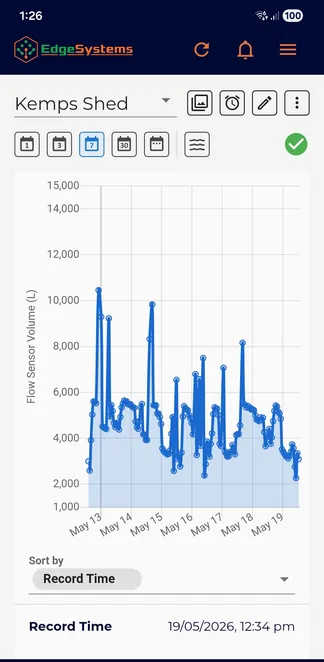
- Run some water and check the dashboard for a reading before you leave the site.
Mount the box
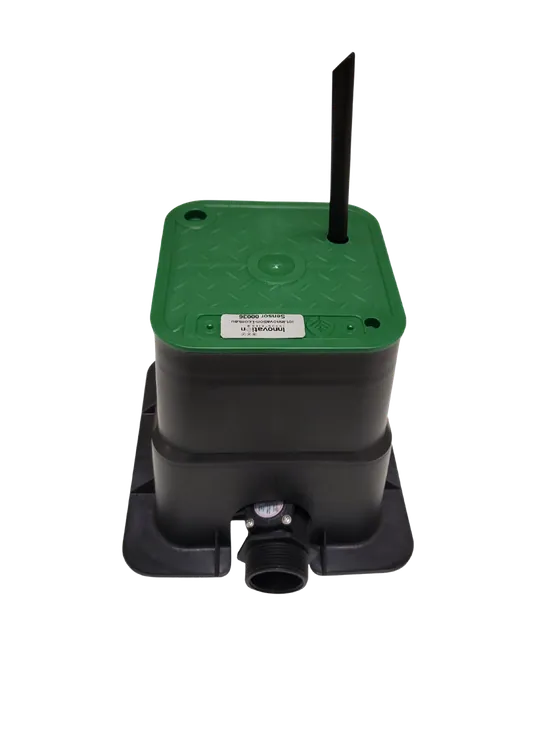
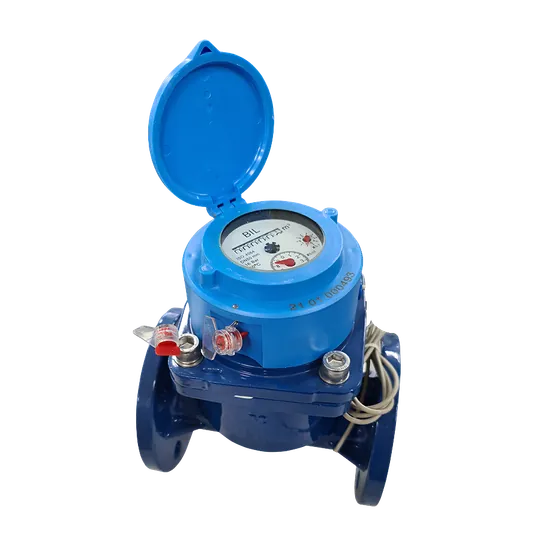
Two common mounts: inside an irrigation valve box next to the meter, or on a steel T-post beside the line. Either way, keep the antenna with a view of the sky and the cable where it cannot be snagged.
Ultrasonic and custom meters
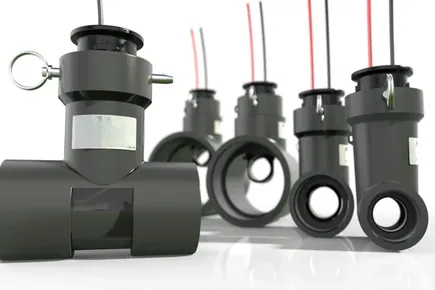
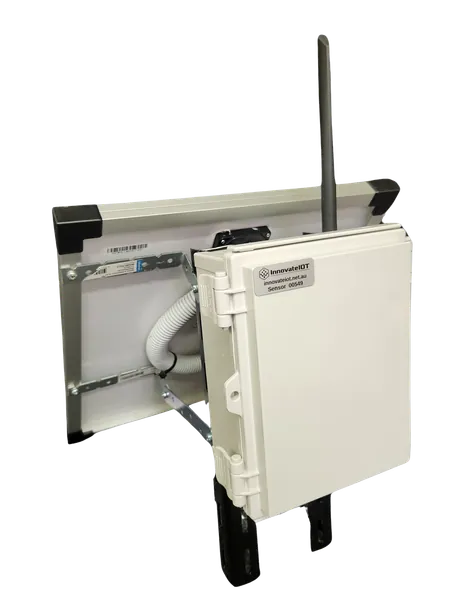
- Ultrasonic flow meter: no moving parts, detects flow from about 0.3 to 1 gpm (1 to 4 L/min) upward, accuracy within 2%, sizes 1 in to 4 in. Comes with a solar power unit.
- Custom flow meters: ultrasonic or magnetic, for any pipe size, built for solar or mains power, with Wi-Fi or cellular communications. Quoted per site: tell us the pipe size and what you want to watch.
The hardware this guide covers
Every device reports to the same Meterra dashboard and app.
Stuck on a step, or not sure which sensor fits your site? Call or text and a person who has installed these will answer.
Related Meterra pages
- Water Flow Monitor: the product page, with posted pricing by meter size
- Finding leaks with flow data: what the hourly record shows when a line is losing water
- Flow meter telemetry for water agencies: hourly diversion records for reporting
- Utah well flow meter requirement: where metering is required and what the record needs to show
Warranty, returns and shipping for every Meterra device are on the Shipping & Returns page.