Well Pump Short-Cycling: What It Means and What the Water Level Shows
A well pump that clicks on and off every few seconds is trying to tell you something. The usual causes are a waterlogged pressure tank, a pressure switch set wrong or worn out, a leak or failing check valve, or a well that cannot keep up with the pump and briefly draws the water level down to the intake. The fix depends on which one it is, and the water level inside the casing is the tell: hold steady through the cycling and it is the pressure system, drop to the pump every time and it is the well.
By Meterra Systems · Published
What short-cycling means
Short-cycling is when a well pump turns on, runs for a few seconds, shuts off, and repeats the pattern every minute or less, instead of running a normal cycle of a minute or several minutes between rests. It is never nothing. The pump is restarting because pressure at the switch dropped faster than it should, and four things cause that: a pressure tank that has lost its air cushion, a pressure switch that is set wrong or wearing out, a leak or a failing check valve, or a well that cannot deliver water as fast as the pump is asking for it.
The pressure system: tank, switch, and leaks
The most common cause by far is a waterlogged pressure tank. A healthy bladder or diaphragm tank keeps a cushion of compressed air separated from the water, so the tank can absorb several gallons of use before the pump has to restart. Nebraska Extension explains that when a pump runs only a few seconds before shutting off, the system does not have enough air cushioning, and a tank that has lost its charge needs to be recharged or replaced. The same guidance puts the pressure switch’s usual cut-in and cut-out points around 30 or 40 psi to start and about 20 psi higher to stop, and recommends checking the tank’s air pressure with the tank fully drained, set about 2 psi below the switch’s cut-in point.
A pressure switch that has drifted from those settings, or one with worn contacts, restarts the pump before the tank has really emptied, and it looks exactly like a waterlogged tank from the kitchen faucet. A leak anywhere downstream does the same thing from a different direction, and so does a check valve that lets water fall back down the well between runs. Franklin Electric’s submersible pump owner’s manual is specific about the check valve’s job: the column of water sitting in the drop pipe between pump runs is held there by the check valve, and if that valve leaks, the water falls back and an airlock can even develop inside the pump. The manual calls for a positive-sealing check valve immediately above the pump and warns against swing-type check valves on submersible installations, because they close too slowly to do the job.
The well itself: pumping down to the intake
A low-yield well causes the same symptom for a different reason. Franklin Electric’s AIM installation manual defines a low-yield condition plainly: it is when the pump’s output is greater than the yield of the well, so the water level in the casing pulls down toward the pump’s intake faster than the aquifer can refill it. When that happens, the pump either loses prime and pulls air, or a dry-run protection device senses the drop in current or pressure and shuts the pump off, then restarts once the level has recovered a little. Do that every few minutes and it reads exactly like a bad pressure tank at the faucet, but no amount of tank or switch work fixes it.
The same manual lists the standard corrections for a low-yield well: lower the pump further down the casing if there is room, add an electronic drawdown sensor or a floatless level control that stops the pump before the level reaches the intake, throttle the pump with a flow control valve, or install a smaller pump sized to what the well can actually deliver.
The test: what the water level does while it cycles
This is the distinguishing test, and it is simpler than it sounds: watch the water level in the casing during a cycling episode, not just whether the pump runs.
- If the level holds roughly steady through repeated on-off cycles, the well has water to give, and the problem sits on the pressure side, the tank, the switch, or a leak.
- If the level drops toward the pump intake every time the pump kicks on, and only recovers partway before the next cycle starts, the well itself is the limiting factor.
A well water level monitoring system answers this without pulling anything out of the casing, because the sealed pressure sensor hanging in the well reports the water column every hour, with the history kept. Hourly readings cannot follow cycles that last seconds, and they do not need to: a chart that shows the level sitting down near the pump intake through a cycling episode and climbing back between episodes points straight at the well, while a chart that holds steady through the same episodes clears the well and points at the surface equipment instead.
What hourly data adds that a stopwatch can’t
Two readings turn this from a guess into an answer. The well level shows whether the water column is actually being drawn down during the cycling, and where it sits relative to the pump. A power monitor on the pump’s circuit adds the other half: it logs voltage and current hourly and flags the moment the pump starts and stops drawing power, so a runtime history that climbs alongside the cycling frequency says the pump is working harder to move the same water, which points toward the well rather than the tank. Neither reading replaces a hand on the pressure gauge or a look inside the tank, but together they tell you which end of the system to start with before anyone gets called out.
What to do, in order
- Check the tank first. Checking the air charge on a drained tank, the Nebraska Extension procedure above, tells you quickly whether it is waterlogged. It is the least expensive thing to rule out and the most common cause.
- Have a pump professional check the switch and check valve. Pressure switch adjustment involves live electrical connections, and check valve placement matters, so this is not a homeowner repair.
- Watch the well level during a cycling episode. If the tank and switch check out fine and cycling continues, the water level test above tells you whether to look at the well next.
- If the well is the limiting factor, work the corrections in order from least expensive. A flow control valve or a smaller pump is a lot less expensive than deepening or re-drilling.
- Call a well contractor if the well keeps losing ground. Persistent low-yield cycling that survives a smaller pump is a question for someone who can measure the well directly.
Tell us your well’s depth, pump set depth, and what you are seeing at the faucet, and we can help you figure out which end of the cycling problem you are looking at before you start swapping parts.
The hardware this guide covers
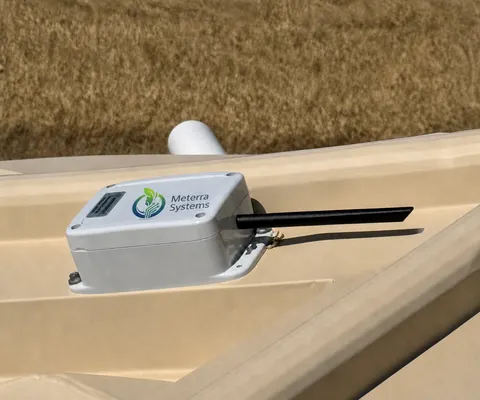
Every device reports to the same Meterra dashboard and app.
Tell us what you need to keep an eye on and we'll map the right sensors and coverage.
Frequently asked questions
Why does my well pump turn on and off every few seconds?
Most rapid cycling comes from the pressure side of the system: a pressure tank that has lost its air cushion, a pressure switch with the cut-in and cut-out set too close together or worn out, or a leak or failing check valve that lets pressure bleed off between uses. A well that cannot keep up with the pump can cause the same symptom, but that is a water problem, not a pressure problem, and the difference matters for the fix.
How can I tell if it's the pressure tank or the well itself?
Watch the water level in the casing while the pump cycles. If it holds roughly steady through repeated on-off cycles, the well has water to give and the problem is almost certainly the tank, the switch, or a leak. If the level drops toward the pump intake every time the pump kicks on, the well is briefly running short and the pump is losing prime or tripping a dry-run cutoff. A continuous level sensor shows this in a way a quick look down the casing cannot.
Can a failing check valve cause short cycling?
Yes. The check valve above the pump keeps the column of water in the drop pipe from draining back down the well between pump runs. If it leaks, that water falls back, the pressure tank sees a false demand, and the pump restarts sooner than it should. Franklin Electric's submersible pump manual calls for a positive-sealing check valve immediately above the pump for exactly this reason.
How many times an hour should a well pump cycle?
There is no single healthy number, since it depends on tank size and household demand, but the direction matters more than the count: more cycles per hour than your system used to run is the signal. Franklin Electric's pump manual caps recommended starts at roughly 300 per day for small pumps and far fewer for larger horsepower pumps, and states plainly that excessive cycling shortens the life of the pressure switch, starter, relays, and capacitors.
Will a water level sensor fix short cycling?
No, and it is worth saying plainly: a sensor does not repair a tank, a switch, or a check valve. What it does is answer the question that decides where to spend the repair money, whether the well has water to give during those cycles or is drawing down to the pump every time. Paired with a power monitor on the pump circuit, the runtime history also shows whether the pump is working harder than it used to.
Related Meterra pages
- Well Water Level Monitoring: hourly level, drawdown, and recovery from inside the casing.
- Signs Your Stock Well Is Going Dry: the slow-fade version of a struggling well, not a sudden pump problem.
- Knowing the Moment a Well Pump Stops: when the pump quits outright instead of cycling.
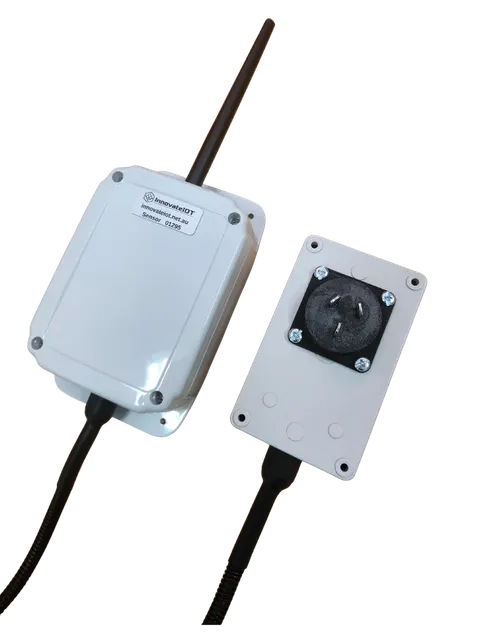
- Power Monitor: watches pump runtime and draw, the data that flags a labored pump.
- Slow Well Recovery: How to Measure Your Well's Recovery Rate: measure how fast your well bounces back after the pump runs.
Newest guides
- Tank Level Indicator, Gauge or Monitor: Which Do You Need?: What a level indicator, a gauge and a remote monitor each do, where each one fails, and a simple rule for which to buy for a poly tank, cistern, stock tank or tote.
- Slow Well Recovery: How to Measure Your Well's Recovery Rate: How to measure static level, drawdown, and recovery by hand or with a sensor, and turn the result into a pumping schedule and a days-of-water number.
- How Accurate Are Water Level Sensors?: What accuracy specifications actually mean, the field errors that dwarf them, and the federal answer to how much precision each job really requires.